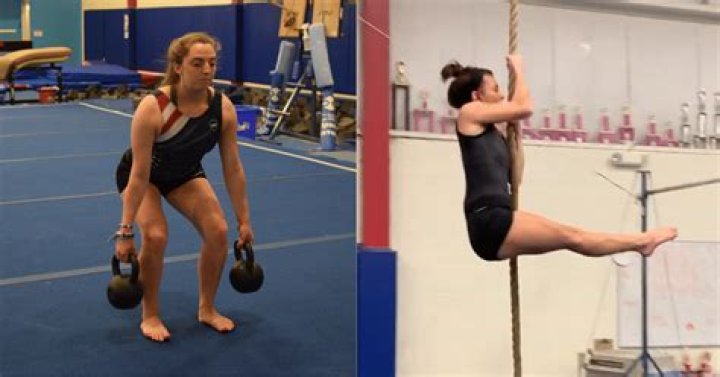
The physical activity guidelines for people with cancer are similar to those recommended for everyone: 150 minutes of moderate-intensity activity or 75 minutes of vigorous-intensity activity every week.
Should you exercise during chemotherapy?
Exercising during chemotherapy can help ease side effects, such as fatigue and nausea, and can help boost your immune system. Chemotherapy side effects can sometimes make exercising tough, but try to be as active as you're able to be. Again, walking is a good way to start.
How much rest do you need during chemotherapy?
Good night's rest
A full night's sleep is vital for anyone who has had chemotherapy. Patients should get at least eight hours of sleep if possible. To help sleep throughout the night, recovering patients should not consume beverages or food high in caffeine at least eight hours before retiring for the night.
Should cancer patients stay active?
Research shows that for most people exercise is safe and helpful before, during, and after cancer treatment. It can help improve your quality of life as well as the energy you have to do the things you like.
What should you not do during chemotherapy?
9 things to avoid during chemotherapy treatment
- Contact with body fluids after treatment. ...
- Overextending yourself. ...
- Infections. ...
- Large meals. ...
- Raw or undercooked foods. ...
- Hard, acidic, or spicy foods. ...
- Frequent or heavy alcohol consumption. ...
- Smoking.
Does chemo get worse with each cycle?
The effects of chemo are cumulative. They get worse with each cycle. My doctors warned me: Each infusion will get harder. Each cycle, expect to feel weaker.
Can you live a normal life while on chemo?
Some people find they can lead an almost normal life during chemotherapy. But others find everyday life more difficult. You may feel unwell during and shortly after each treatment but recover quickly between treatments. You may be able to get back to your usual activities as you begin to feel better.
How much exercise can you do on chemo?
The physical activity guidelines for people with cancer are similar to those recommended for everyone: 150 minutes of moderate-intensity activity or 75 minutes of vigorous-intensity activity every week.
Can exercise make chemotherapy more effective?
Schadler and her colleagues have shown that mice with pancreatic cancer, melanoma and Ewing's sarcoma have better outcomes and better responses to low dose chemotherapy when on an exercise regimen. “Moderate exercise five days a week was shown to be effective,” she says.
Does exercise make cancer spread faster?
A new study shows that exercise is an effective way to prevent cancer. Adrenalin released during intensive training prevents the spread and development of metastases elsewhere in the body. This not only restricts the spread of cancer but also makes it easier to treat.
Can you work through chemotherapy?
Some people are able to keep working while they're getting cancer treatment. Some people work their usual full-time schedules. Some work the same schedules under special conditions (accommodations), like being closer to the office bathroom so it's easier to deal with side effects.
Can I drive myself to chemo?
Have a friend or family member drive you to your first treatment. Most people can drive themselves to and from chemotherapy sessions. But the first time you may find that the medications make you sleepy or cause other side effects that make driving difficult.
What is the fastest way to recover from chemotherapy?
Here's what they had to say.
- Get some rest. ...
- Stay hydrated. ...
- Eat when you can. ...
- Create a sense of normalcy in your routine. ...
- Look to your support and care teams to have your back through treatment. ...
- Keep things around that bring you comfort. ...
- Stay ahead of your nausea. ...
- Stay positive.
What activities can you do during chemotherapy?
Play a Game. Bring along some games or puzzles to occupy yourself during an infusion. If you have an electronic device, you can load your own games on it. If you're not a geek but prefer more intellectual entertainment, get a book of word puzzles or number games like Sudoku.
How do you maintain muscle during chemo?
It's important to stay as active as possible throughout treatment: not exercising can result in muscle loss and fat gain.
...
Maintain good nutrition
- 1/2 vegetables and/or whole fruits.
- 1/4 protein.
- 1/4 whole grains (or starchy vegetables)
- A moderate amount of healthy fats distributed through the meal.
How do you know if chemo is killing you?
Here are some signs that chemotherapy may not be working as well as expected: tumors aren't shrinking. new tumors keep forming. cancer is spreading to new areas.
...
Along the way, the timeline may have to be adjusted due to:
- low blood counts.
- adverse effects to major organs.
- severe side effects.
Can chemo affect your walking?
Chemotherapy medications travel throughout the body, where they can damage the nerves. An Ohio State University study on people diagnosed with early-stage breast cancer found that just one cycle of chemotherapy can affect walking gait and balance, putting people at a higher risk for falls.
What happens if chemo doesn't shrink tumor?
In those cases, the patients are very likely to remain cancer-free for life after surgery. But not all tumors shrink under chemotherapy. If the tumor resists neoadjuvant therapy, there can be a higher risk of developing metastatic disease, meaning that the tumor will recur in other organs, such as bones or lungs.
What is the hardest chemo?
Doxorubicin (Adriamycin) is one of the most powerful chemotherapy drugs ever invented. It can kill cancer cells at every point in their life cycle, and it's used to treat a wide variety of cancers. Unfortunately, the drug can also damage heart cells, so a patient can't take it indefinitely.
When are chemo side effects the worst?
Blood cell counts often reach their lowest level about 7 to 14 days after chemotherapy. Low blood cell counts is the most common and most serious side effect of chemotherapy.
How many days after chemo Do you feel sick?
Delayed nausea and vomiting usually starts more than 24 hours after treatment and can last up to a few days after treatment ends. It's more likely with certain types of chemo or other drug to treat cancer. Ask your doctor if the treatment you're getting is known to cause delayed nausea and vomiting.
Which is harder on the body chemo or radiation?
Since radiation therapy is focused on one area of your body, you may experience fewer side effects than with chemotherapy. However, it may still affect healthy cells in your body.
How can I prevent fatigue during chemo?
Take short naps or rest breaks (30 minutes or less), rather than one long nap during the day. Too much rest can lower your energy level and make it harder to sleep at night. Certain drugs used to treat pain, nausea, or depression can make a person feel tired and sleepy. Talk with your cancer care team about this.
Can you work the day after chemo?
Some people with cancer are able to continue their normal routine, including going to work, while they're still in treatment. Others find that they need more rest or just feel too sick and cannot do as much. If you can work during treatment, you might find that it helps you feel more like yourself.
Can you drink wine while on chemo?
A: Chemotherapy is a powerful drug treatment for cancer. While its side effects can include nausea and an altered sense of taste, oncology experts say that patients can still enjoy wine while undergoing treatment.