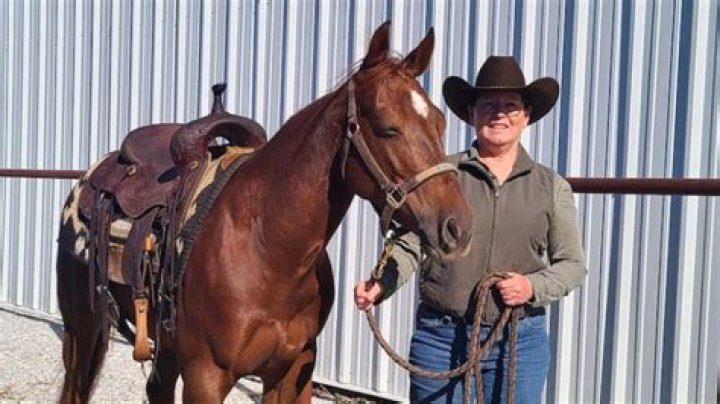
A horse may communicate with a human through facial expressions, vocal cues, or body language. Many equine experts believe that these forms of communication go both ways. Your horse may respond to your facial expressions, vocal cues, or body language.
Can a horse talk to you?
Horses may not understand human-speak, but you can communicate effectively with your horse by mixing your words and actions.
How do horses communicate verbally?
Flehmen response and mouth communication
Along with some other animals, horses carry out a behavior known as the flehmen response. You may have seen them do it yourself. It occurs when they curl back their top lip and inhale with their nostrils closed.
Do horses have feelings for humans?
Horses DON'T form attachment bonds with their owners despite what equine enthusiasts might think - but they do regard humans as 'safe havens' Horses think of humans as 'safe havens' but don't form attachment bonds with their owners - despite what equine enthusiasts might think, a new study reveals.
Do horses understand human body language?
Horses can tell the difference between dominant and submissive body postures in humans, even when the humans are not familiar to them, according to a new University of Sussex-led study.
30 related questions foundHow do you tell if a horse trusts you?
Here are 8 Signs a Horse Likes and Trusts You
- They Come Up to Greet You. ...
- They Nicker or Whinny For You. ...
- They Rest Their Head on You. ...
- They Nudge You. ...
- They Are Relaxed Around You. ...
- They Groom You Back. ...
- They Show You Respect. ...
- They Breathe on Your Face.
Do horses communicate with each other?
How do horses communicate with each other? One of the common horse communication methods is the use of body language. A recent study revealed that horses pass on information by using their large ears. They also make use of their vocal repertoire like squeals, snorts, blows, and neighs to connect with each other.
Do horses like hugs?
Since horses don't have hands to hold or arms to give hugs, gentle leans and even “neck hugs” express their love.
How do horses show affection to humans?
Horses will often show affection to humans as they would to other horses. Horses show their affection through grooming, nuzzling, rubbing, resting their heads on you, and even licking. Learning their body language will help you understand when they are showing affection.
Do horses really love their owners?
Yes, they do. Very much so. And they have long memories for both the humans they've bonded with in a positive way and the ones who have damaged or abused or frightened them.
What does it mean when a horse pushes you with their head?
A horse resting their head on your shoulder is not usually them showing you affection or love, even though it may seem that way. They are trying to reign dominance over you.
Should you look a horse in the eye?
Never look a horse in the eye
You're only a predator if you intend to eat what you're looking at. Horses can easily tell the difference between a predator looking to eat and predator looking in curiosity and wonder. Horses do, however, struggle to understand the intention of a human who hides his eyes.
Do horses like when you talk to them?
Horses Enjoy Companionship and Attention
By talking to your horse, you are providing a sense of comfort and companionship. Your voice can be soothing, and reassure them they are safe with you. They will see you as part of their herd and even as a leader.
Do horses like being spoken to?
Horses like to be spoken to in a calm, generally low-pitched, and natural voice. They can effectively recognize most emotions in the tone of your voice and react accordingly.
How does a horse say I love you?
Just like giving hugs, horses can give kisses too. Again, there's no need to feel uncomfortable when your equine friend starts kissing, licking, or breathing on you. These are all often signs of affection and they could mean that you have mastered the heart of your horse.
How do horses kiss you?
Did you know that horses like to give out kisses just as much as dogs do? They may lick you (a somewhat slimy experience) but they're more likely to "lip" you, or gently grasp you with their lips.
Can horses get jealous?
Of 69 horse owners, 79 per cent of them reported that horses felt jealous, although the specific contexts in which this jealousy occurred, or whether a horse or human relationship was being threatened, was not explored.
Do horses get sad when they are sold?
It really depends. They may show signs of sadness, much like when they leave a favorite herd mate. On the other hand, if you weren't that close they will likely have no emotional response to being sold. If they do appear sad, it's only time before they get comfortable in their new home and let go of those feelings.
What does it mean when a horse approaches you?
If a horse is willing to approach you on their own, without being asked, it shows that they like your presence. That's why it's important to always remain calm and relaxed when working with your horse.
How do horses imprint?
Miller's imprinting technique is fourfold: Bond the foal to the human, establishing a relationship of security and trust. This is done by rubbing, stroking and handling the foal. Habituate the foal to all sorts of stimuli it will experience later in life, like a saddle on its back or clippers buzzing around its ears.
How do horses communicate new signals found?
Forget talking horses like Mister Ed—when it comes to horse communication, the ears have it. A new study revealed that a horse's large, highly mobile ears can help tell another horse where to direct its attention, which may help the observing animals locate food and evade predators.
How are the emotions of a horse read?
Research shows that horses recognize and react to human emotions expressed by facial cues alone. We've all been taught that horses can readily pick up on our anxiety, anger and other emotions from our body language. Now, research from England suggests that they can read our facial expressions as well.
Where should you not touch a horse?
As tempting as it is, don't pet the horse's head. Continue to face his shoulder from the side, petting the neck. Most horses enjoy a scratch on the neck just behind the ear or on the withers at the highest point of the shoulder. Discontinue petting if the horse backs away or shows disinterest.