Getting good at Jiu Jitsu is something that can take 6 to 10 years or so to accomplish. This won't necessarily get you a black belt in BJJ, unless you're putting in the work, being consistent, and competing regularly during that time. Still, it should get you a purple or brown belt if you're diligent.
How hard is it to get good at Jiu-Jitsu?
Regardless of your athletic gifts and propensity to learn, training BJJ is very hard. Ultimately, there are no real shortcuts or ways to avoid this discomfort and challenge. In fact, the difficult nature of BJJ is the very thing that makes training this art so rewarding.
How long does it take to be decent at Jiu-Jitsu?
The average time it takes to achieve this is usually around 10 years. There are some individuals like BJ Penn and Kit Dale, who have amazing rapid rises up the ranks to very high levels. But they are the exceptions to the rule.
Why am I not getting better at Jiu-Jitsu?
You're Bored With Training
Most Jiu Jitsu guys are constantly trying new moves because they also feel bored, however this can also be detrimental to learning. Many times BJJ practitioners try far too many new techniques that they never master the basics, this can be horrible for someone who is trying to get better.
How do you know if you'll be good at Jiu-Jitsu?
8 Signs You Are Getting Better At Brazilian Jiu-Jitsu (Even If You Don't Realize It)
- You Don't Get Submitted As Often. ...
- You Can Think And React Much Faster Than Before. ...
- You Don't Get Exhausted As Easily. ...
- Your Grip Is Much Stronger. ...
- You've Gotten More Flexible. ...
- You Can Escape Mounts More Effectively.
Can skinny people be good at BJJ?
There are plenty of skinny guys doing BJJ, many of them not in the greatest of shapes as well. Of course bigger and stronger guys will have an advantage over you but don't think about BJJ in that way. Focus on your own development and how you personally progress week to week, month to month, year to year.
Does Jiu Jitsu make you smarter?
Jiu Jitsu creates an environment where you're able to concentrate. Over time, you improve your focus and attention. Eventually, you can take your ability to work with a clear mind off of the mats and into other areas of your life – at home, in relationships, and at work.
Is BJJ 3 times a week enough?
Training three times a week seems to be the sweet spot for a lot of people between avoiding burnout and making rapid progress. You'll be able to spar hard every session. You'll be able to remember what you learned last class, and you'll develop good timing and reflexes.
How can I practice BJJ alone?
You can drill in BJJ alone by focusing on fundamental movements such as hip escapes, bridging, forward and backward rolling over each shoulder, and the Gracie stand up. Doing these alone will build up more strength for the movements and give you an edge when you return to partner sparring.
Is BJJ hard for beginners?
BJJ is a martial art originally designed for anyone to learn, regardless of their weight, size or fitness level. In this regard, it is not hard to learn because there are no prerequisites, and it does not rely on your own strength. However, BJJ does require patience, hard work and discipline if you want to be good.
Which is the easiest martial art to learn?
Check out the following martial arts disciplines that are easy to learn:
- Karate. Karate is a diverse martial arts discipline that may be learned from any of three angles: as a form of self-defense, or as an art. ...
- Basic Boxing. New martial arts students might explore basic boxing. ...
- Muay Thai. ...
- Jiu-Jitsu. ...
- Krav Maga.
What is the easiest black belt to get?
A student is capable of earning a black belt faster in certain martial arts disciplines than in others.
...
- Brazilian Jiu Jitsu (10 Years) ...
- Karate (5 Years) ...
- Aikido (4-5 Years) ...
- Judo (3-6 Years) ...
- Tae Kwon Do (3-5 Years)
Is BJJ brutal?
No, BJJ training is not violent. In fact, it's quite the opposite. The training is challenging. It teaches you the discipline necessary to get better at things.
How often should I go to Jiu-Jitsu?
2-3 days per week
If you are a beginner or a “casual” Jiu-Jitsu practitioner, aim for two to three days a week. Training around two days a week is a good starting point when you're just starting Jiu-Jitsu. You get enough time on the mats to learn and work on your technique while not getting burned out or overtrained.
How do you make Jiu-Jitsu notes?
6 Tips for Taking Notes in Jiu-Jitsu
- Don't try to write down everything your instructor says. ...
- Know when to “shelve it for later.” If the technique(s) taught that day don't make sense to you, make a note of it. ...
- Consider drawing a rough sketch. ...
- Have a list of abbreviations you're used to using.
Should I lift weights for BJJ?
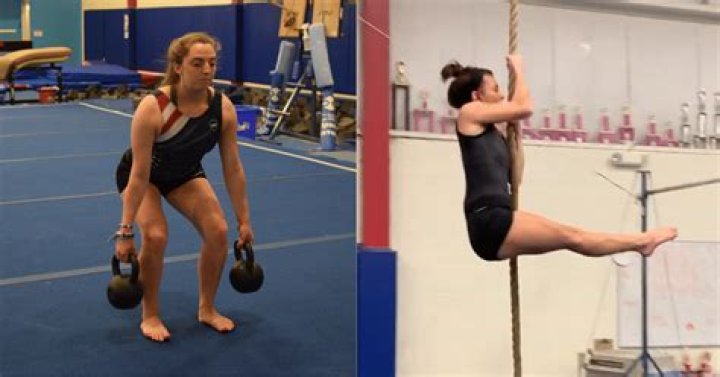
Brazilian Jiu-Jitsu (BJJ) fighters lift weights in order to improve their power-to-weight ratio (PWR), performance, and health. BJJ fighters who lift will typically focus on compound exercises (squats, bench, etc.) as these are the best moves to improve PWR. Power-to-weight ratio is so crucial in martial arts.
Does BJJ build muscle?
One of the major focuses of BJJ training as far as strength and conditioning goes, is its direct stimulation of the core muscles and hips. BJJ training develops your core muscles unlike any other martial art. In fact, your core is where the majority of your strength comes from in BJJ.
How many calories do you burn BJJ?
Total: 706 calories in an hour.
If you stick around and do 5 or 6 five-minute rounds, that would shoot up to over 1100 calories. It's no wonder people lose weight doing BJJ.
Is Jiu-Jitsu good for mental health?
You don't have to look very hard to find the "surface level" benefits Jiu-Jitsu can have on your mental health. It can improve your fitness, increase your confidence, help you build a friendship group, test your brain, release endorphins and serotonin, and probably lots of other things that are really hard to spell.
What does BJJ do to your body?
5 Physical Health and Fitness Benefits of Brazilian Jiu Jitsu
- Full-Body Fitness. Brazilian Jiu Jitsu a full-body workout that improves your functional fitness. ...
- Improved Endurance. Common endurance activities include things like running, biking, and swimming. ...
- Increased Strength. ...
- Increased Flexibility. ...
- Boosted Energy.
Is BJJ good for your brain?
They found preliminary evidence that the BJJ athletes had a higher resting blood flow to the brain, alongside in-tact cognitive function, when compared to a control group of athletes matched by age, gender, and cardiorespiratory fitness.
Should I do BJJ or Judo?
Almost all of the most common submissions in BJJ derive from Katame-Waza, but most Judo schools may dedicate less than 20% of class time to those techniques. Thus, if you want to improve your ground game, then BJJ is for you. If you want to learn how to hit people with the Earth from standing, then it's Judo.
What is the hardest martial art to get a black belt in?
Karate. Karate's many divisions have separate black belt requirements. The toughest may be Shodokan Karate, which requires around 75 memorized striking moves. It also calls for four different types of sparring sessions and a kata, a memorized sequence of techniques.